5 Reasons Why Not Every Tow Company Can Handle Heavy Duty Truck Repair Work in York, PA
When a massive semi-truck or commercial fleet vehicle breaks down on the highway, the panic is immediate. The clock is ticking against delivery schedules, cargo safety, and driver hours of service regulations. Many drivers assume that any tow truck with a winch can handle the job, but this assumption often leads to further damage, delayed repairs, and inflated costs. You need a provider who understands the unique physics and mechanical requirements of large commercial vehicles rather than just a standard flatbed operator.
Navigating the landscape of emergency roadside assistance requires a keen eye for detail, especially when your livelihood depends on getting back on the road quickly. In York, the density of industrial traffic means that heavy equipment failures are common, yet the number of truly qualified technicians remains limited. Understanding the distinction between general towing and true heavy-duty recovery is the first step toward protecting your assets and ensuring your safety.
This guide outlines five critical factors to consider when evaluating a service provider and highlights the warning signs that indicate a company may not be equipped for the task:
1. Specialized Equipment Beyond Standard Flatbeds
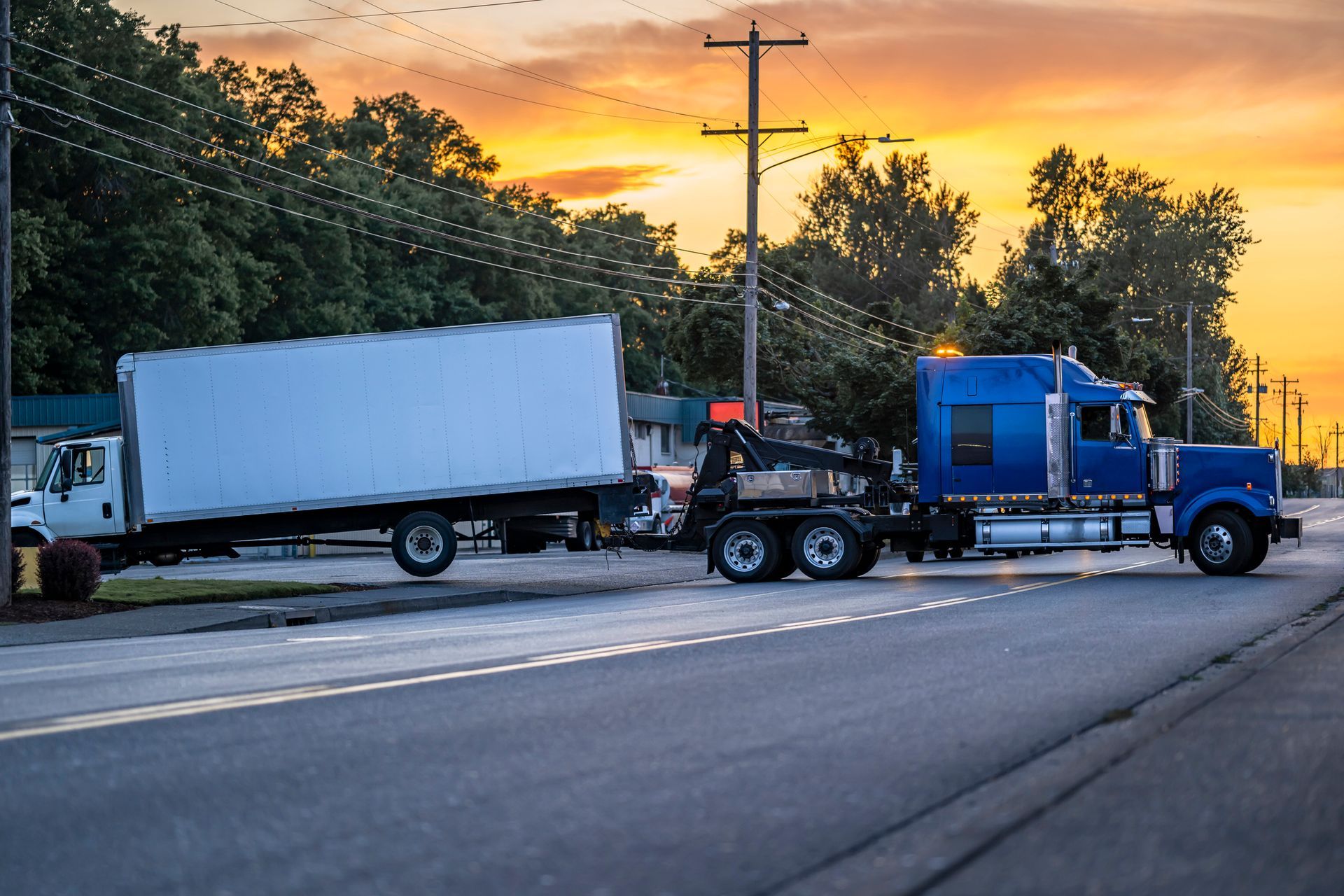
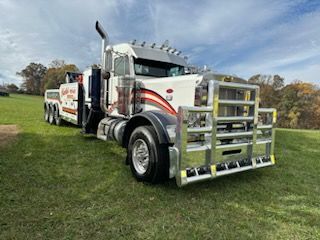
The most significant differentiator between a standard tow operator and a professional heavy-duty specialist is their inventory of lifting and recovery gear. A typical tow truck designed for passenger vehicles lacks the hydraulic capacity, axle configurations, and wheel lift systems necessary to safely maneuver a Class 8 tractor-trailer or a multi-axle dump truck. When you require heavy duty truck repair that residents trust, you should expect a fleet that includes rotators, lowboys, and high-capacity wreckers capable of handling weights exceeding 80,000 pounds. If the company sends a small box truck or a basic dolly system, they likely lack the engineering knowledge to secure your load without causing structural damage to the frame or suspension.
Furthermore, the terrain in our region can vary significantly from smooth highways to muddy construction sites. A qualified provider will have articulated boom trucks and air cushions designed to stabilize a vehicle during complex recovery operations. Without this specific machinery, the risk of tipping, sliding, or dropping a load increases dramatically. It is essential to verify that the unit dispatched has the rated capacity for your specific vehicle configuration before agreeing to the service.
2. Technicians Trained in Commercial Diagnostics
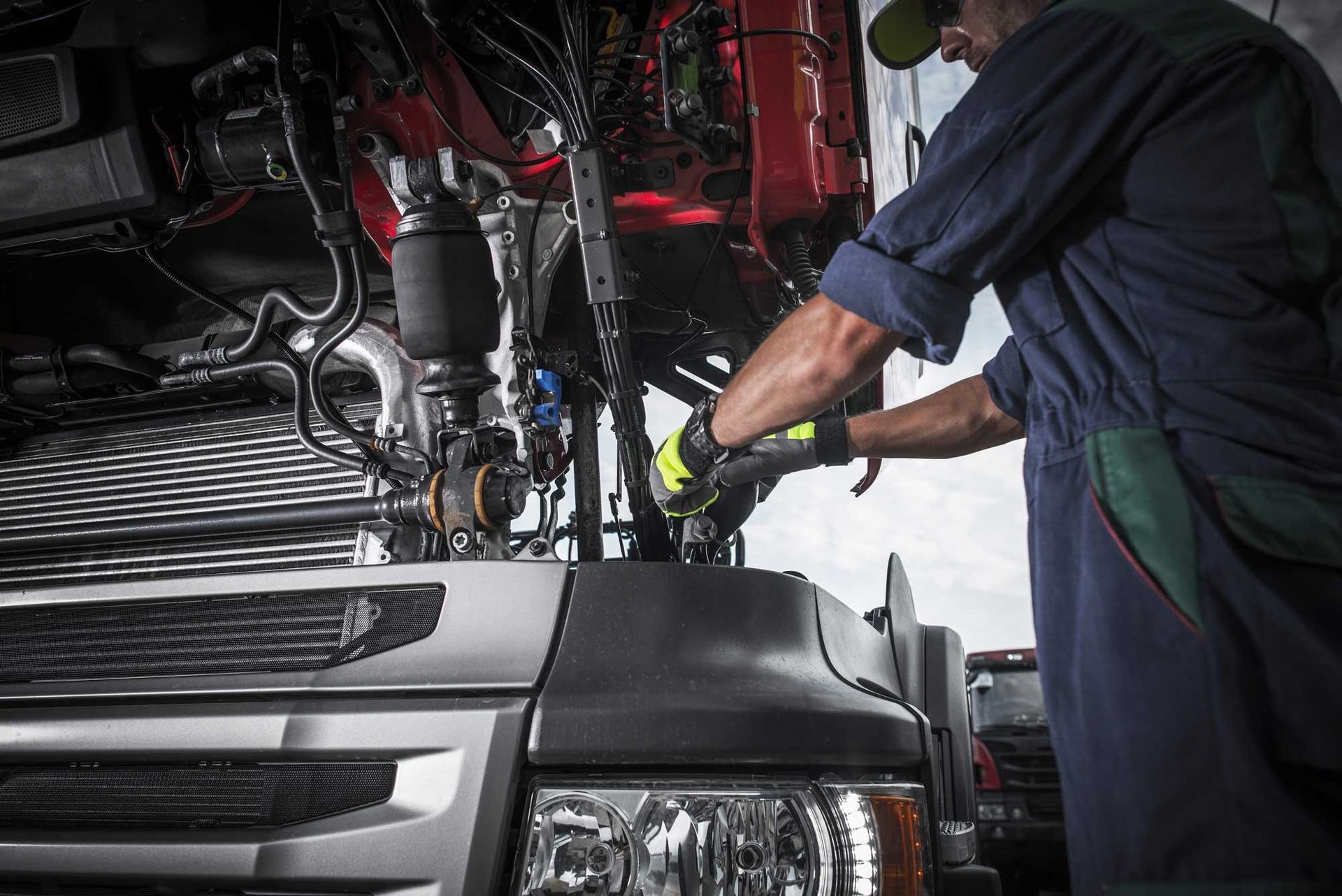
Towing a vehicle is only half the battle; understanding why it failed is equally important for preventing future breakdowns. General tow operators often focus solely on moving the machine to a safe location, leaving the driver to figure out the mechanical issue later. However, a reputable service partner offers more than just transportation. They employ mechanics who specialize in diesel engines, transmission systems, and air brakes found in commercial fleets. These experts in heavy duty truck repair can perform preliminary diagnostics on-site to determine if the vehicle can be driven short distances or if it requires immediate immobilization.
This level of technical expertise ensures that the decision to tow is based on accurate information rather than guesswork. For instance, a blown transmission might look like a simple engine failure to an untrained eye, leading to incorrect towing procedures that could destroy the drivetrain further. By choosing a team that combines towing skills with diagnostic knowledge, you gain a partner who helps minimize downtime and protects your investment.
3. Compliance With Safety Regulations
Commercial vehicles operate under strict federal and state regulations regarding weight limits, securing loads, and driver safety. Any company providing heavy duty road services must adhere to these rigorous standards. This includes having proper insurance coverage that extends to commercial liability, which is significantly higher than personal auto insurance. If an accident occurs while your truck is being towed due to improper securing or negligence, the financial repercussions can be devastating without adequate coverage.
In addition to insurance, certified providers of heavy duty truck repairs follow established protocols for securing heavy loads using chains, binders, and straps rated for commercial use. They understand the importance of distributing weight evenly across the bed of the tow truck to prevent shifting during transport. Ignoring these safety protocols not only puts the tow operator at risk but also endangers other motorists on the road. Always ask for proof of insurance and certification before authorizing any work to be done on your vehicle.
4. Availability During Off-Hours and Weekends
Breakdowns do not discriminate based on business hours, holidays, or weekends. A commercial fleet cannot afford to wait until Monday morning to address a critical failure that halts production or delivery. A truly capable service provider maintains a 24/7 dispatch center staffed by professionals who can coordinate responses immediately, regardless of the time of day. This availability is crucial for maintaining supply chain continuity and adhering to Hours of Service (HOS) regulations that limit how long a driver can operate without rest.
If a company claims to offer round-the-clock service but frequently experiences long wait times or redirects calls to voicemail, their reliability is questionable. Consistent availability ensures that help arrives as soon as possible, reducing the exposure of your cargo to theft, weather, or traffic hazards. Look for a provider of heavy duty truck repair with a proven track record of rapid response times in the York area.
5. Transparent Pricing and Detailed Reporting
One of the most frustrating aspects of roadside emergencies is hidden fees and unclear billing practices. A trustworthy company provides a clear estimate before any work begins and explains all potential additional charges related to mileage, after-hours rates, or specialized equipment usage. Vague pricing structures often lead to disputes later, leaving the driver or fleet manager with unexpected bills that disrupt cash flow.
Moreover, detailed reporting of the incident, including photos of the vehicle condition before and after towing, adds a layer of accountability. This documentation is vital for insurance claims and internal fleet management records. Transparency builds trust and ensures that the relationship between the driver and the provider of heavy duty truck repairs remains professional and productive throughout the resolution process.
Get Expert Assistance From Charlie’s Repair Service Today
Recognizing the difference between a standard tow and a qualified heavy duty truck repair in York, PA, can save you time, money, and significant stress. If you encounter a breakdown and need a provider who understands the complexities of commercial vehicles, do not settle for less. Call Charlie's Repair Service now at 717-846-8386 for professional, reliable, and safe assistance tailored to your specific needs.